

Health Library
GLP-1 agonists
GLP-1 receptor agonists; GLP-1 analogs; Incretin mimetics; GLP-1 RAs; Glucagon-like peptide-1 agonists
Glucagon-like peptide-1 (GLP-1) agonists are a class of medicines used to treat type 2 diabetes by lowering blood sugar levels. Some are used for weight loss in people with obesity.
Images
I Would Like to Learn About:
Information
HOW GLP-1 AGONISTS WORK
Glucagon-like peptide-1 (GLP-1) is a natural hormone that is released by your gut after a meal. The hormone GLP-1:
- Signals to your brain that you are full
- Tells your pancreas to release insulin, which helps regulate blood sugar
- Slows down how quickly your stomach empties
GLP-1 agonists are man-made (synthetic) hormones that cause many of the same actions as natural hormones. They enhance these natural processes within the body. The higher the dose, the more the effect.
GLP-1 agonists were first developed to help people with type 2 diabetes control their blood sugar. These medicines also lead to weight loss because they:
- Reduce your appetite
- Reduce food cravings
- Slow digestion so you feel fuller for longer
GLP-1 agonists alone cannot treat diabetes or obesity. They work best when used along with lifestyle changes such as a healthy diet and regular exercise.
Many people using GLP-1 agonists will regain lost weight if they stop taking the medicine.
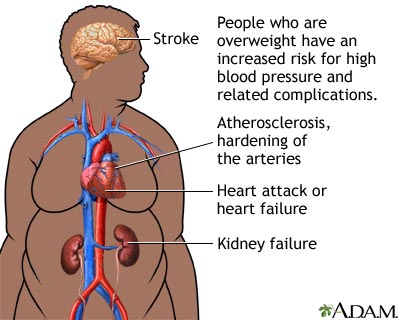
GLP-1 agonists also may help reduce the risk of serious heart problems such as heart attack and stroke. They improve kidney disease in some people with type 2 diabetes. Some GLP-1 agonists have proven positive effects on obstructive sleep apnea and knee osteoarthritis. Other possible benefits of GLP-1 agonists continue to be discovered, including a possible benefit for people with type 1 diabetes.
TYPES OF GLP-1 AGONISTS
GLP-1 agonists are most often given as an injection either daily or weekly. One type is taken as a pill. GLP-1 agonists approved for the treatment of type 2 diabetes include:
- Dulaglutide (Trulicity): Injection; once a week
- Exenatide (Byetta): Injection; twice a day
- Liraglutide (Victoza): Injection; once a day
- Lixisenatide (Adlyxin): Injection; once a day
- Semaglutide (Ozempic): Injection; once a week
- Tirzepatide (Mounjaro): Injection; once a week
- Semaglutide (Rybelsus): Pill; daily
Dulaglutide and liraglutide are also approved for treatment in people with type 2 diabetes and heart problems to reduce the risk of serious cardiac events.
GLP-1 agonists approved for the treatment of obesity include:
- Semaglutide (Wegovy): Injection (once a week), or pill (once a day)
- Tirzepatide (Zepbound): Injection; once a week
POSSIBLE SIDE EFFECTS
GLP-1 agonists can have some side effects. Most of the side effects occur with a higher dose, and get better with time as the body adjusts to treatment.
Side effects may include:
- Nausea
- Vomiting
- Diarrhea
- Abdominal pain
- Loss of appetite
- Constipation
- Headache
- Low blood sugar (higher risk if taken along with insulin or sulfonylureas)
- Reduced muscle mass
- Injection site reactions, such as rash or itching
- Pancreatitis (rare)
- Gallbladder disease (rare)
Contact your health care provider if any side effect bothers you.
GLP-1 agonists are not recommended for:
- Pregnant women
- People with a history of medullary thyroid cancer
- People with a family history of multiple endocrine neoplasia, type II (MEN II)
WHEN TO CONTACT A MEDICAL PROFESSIONAL
Call 911 or the local emergency number if you experience:
- Severe allergy (anaphylaxis) symptoms such as breathing or swallowing difficulty, chest tightness, or hives.
- Low blood sugar symptoms such as dizziness, trembling, extreme tiredness, and fast heart rate.
References
Ahmann AJ, Riddle MC. Therapeutics of type 2 diabetes mellitus. In: Melmed S, Auchus, RJ, Goldfine AB, Rosen CJ, Kopp PA, eds. Williams Textbook of Endocrinology. 15th ed. Philadelphia, PA: Elsevier; 2025:chap 34.
Dhatariyan KK, Umpierrez GE, Crandall JP. Diabetes mellitus. In: Goldman L, Cooney KA, eds. Goldman-Cecil Medicine. 27th ed. Philadelphia, PA: Elsevier; 2024:chap 210.
Jensen MD, Bessesen DH. Obesity. In: Goldman L, Cooney KA, eds. Goldman-Cecil Medicine. 27th ed. Philadelphia, PA: Elsevier; 2024:chap 201.
Moiz A, Filion KB, Tsoukas MA, Yu OH, Peters TM, Eisenberg MJ. Mechanisms of GLP-1 receptor agonist-induced weight loss: a review of central and peripheral pathways in appetite and energy regulation. Am J Med. 2025 Jun;138(6):934-940. Epub 2025 Jan 31. PMID: 39892489. pubmed.ncbi.nlm.nih.gov/39892489/.
Moiz A, Filion KB, Tsoukas MA, Yu OHY, Peters TM, Eisenberg MJ. The expanding role of GLP-1 receptor agonists: a narrative review of current evidence and future directions. EClinicalMedicine. 2025 Jul 17;86:103363. PMID: 40727007; PMCID: PMC12303005. pubmed.ncbi.nlm.nih.gov/40727007/.
Orandi BJ, Aronne LJ. Obesity. In: Chung RT, Rubin DT, Wilcox CM, eds. Sleisenger and Fordtran's Gastrointestinal and Liver Disease. 12th ed. Philadelphia, PA: Elsevier; 2026:chap 8.
BACK TO TOPReview Date: 5/18/2026
Reviewed By: Sandeep K. Dhaliwal, MD, board-certified in Diabetes, Endocrinology, and Metabolism, Springfield, VA. Also reviewed by David C. Dugdale, MD, Medical Director, Brenda Conaway, Editorial Director, and the A.D.A.M. Editorial team.
 | A.D.A.M., Inc. is accredited by URAC, for Health Content Provider (www.urac.org). URAC's accreditation program is an independent audit to verify that A.D.A.M. follows rigorous standards of quality and accountability. A.D.A.M. is among the first to achieve this important distinction for online health information and services. Learn more about A.D.A.M.'s editorial policy, editorial process and privacy policy. A.D.A.M. is also a founding member of Hi-Ethics. This site complies with the HONcode standard for trustworthy health information: verify here. |
The information provided herein should not be used during any medical emergency or for the diagnosis or treatment of any medical condition. A licensed medical professional should be consulted for diagnosis and treatment of any and all medical conditions. Links to other sites are provided for information only -- they do not constitute endorsements of those other sites. No warranty of any kind, either expressed or implied, is made as to the accuracy, reliability, timeliness, or correctness of any translations made by a third-party service of the information provided herein into any other language.
© 1997-
2026 A.D.A.M., a business unit of Ebix, Inc. Any duplication or distribution of the information contained herein is strictly prohibited.
All content on this site including text, images, graphics, audio, video, data, metadata, and compilations is protected by copyright and other intellectual property laws. You may view the content for personal, noncommercial use. Any other use requires prior written consent from Ebix. You may not copy, reproduce, distribute, transmit, display, publish, reverse-engineer, adapt, modify, store beyond ordinary browser caching, index, mine, scrape, or create derivative works from this content. You may not use automated tools to access or extract content, including to create embeddings, vectors, datasets, or indexes for retrieval systems. Use of any content for training, fine-tuning, calibrating, testing, evaluating, or improving AI systems of any kind is prohibited without express written consent. This includes large language models, machine learning models, neural networks, generative systems, retrieval-augmented systems, and any software that ingests content to produce outputs. Any unauthorized use of the content including AI-related use is a violation of our rights and may result in legal action, damages, and statutory penalties to the fullest extent permitted by law. Ebix reserves the right to enforce its rights through legal, technological, and contractual measures.
