

Agranulocytosis
Granulocytopenia; Granulopenia; Neutropenia
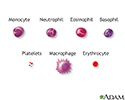
White blood cells fight infections from bacteria, viruses, fungi, and other germs. One important type of white blood cell is the granulocyte, which is made in the bone marrow and travels in the blood throughout the body. Granulocytes sense infections, gather at sites of infection, and destroy the germs.
When the body has too few granulocytes, the condition is called agranulocytosis. This makes it harder for the body to fight off germs. As a result, the person may get sick from infections.
Causes
Agranulocytosis may be caused by:
- Autoimmune diseases
- Bone marrow diseases, such as myelodysplasia or large granular lymphocyte (LGL) leukemia
- Certain medicines used to treat diseases, including cancer
- Certain street drugs
- Poor nutrition
- Preparation for bone marrow transplant
- Benign familial neutropenia
- Genetic variants, especially in people of certain African and Caribbean ethnicities


Symptoms
Symptoms of this condition may include:






Exams and Tests
A white blood cell differential test will be done to measure the percentage of each type of white blood cell in your blood.

Other tests to diagnose the condition may include:
- Bone marrow biopsy
- Neutrophil antibody tests (blood test)
Treatment
The treatment depends on the cause of the low white blood cell count. For example, if a medicine is the cause, stopping or changing to another medicine may help. In other cases, medicines to help the body make more white blood cells will be used. In certain ethnic groups with benign familial neutropenia, no treatment is needed.
Outlook (Prognosis)
Treating or removing the cause can result in a good outcome.
Prevention
If you are having treatment or taking medicine that could cause agranulocytosis, your health care provider will use blood tests to monitor you.
References
Berliner N. Leukocytosis and leukopenia. In: Goldman L, Cooney KA, eds. Goldman-Cecil Medicine. 27th ed. Philadelphia, PA: Elsevier; 2024:chap 153.
Rice L, Zieske AW, Jung M. Neutrophilic leukocytosis, neutropenia, monocytosis, and monocytopenia. In: Hoffman R, Benz EJ, Silberstein LE, et al, eds. Hematology: Basic Principles and Practice. 8th ed. Philadelphia, PA: Elsevier; 2023:chap 49.
Review Date: 5/1/2026
Reviewed By: Warren Brenner, MD, Oncologist, Lynn Cancer Institute, Boca Raton, FL. Review provided by VeriMed Healthcare Network. Also reviewed by David C. Dugdale, MD, Medical Director, Brenda Conaway, Editorial Director, and the A.D.A.M. Editorial team.
© 1997- A.D.A.M., a business unit of Ebix, Inc. Any duplication or distribution of the information contained herein is strictly prohibited.
 All rights reserved.