

Progressive multifocal leukoencephalopathy
PML; John Cunningham virus; JCV; Human polyomavirus 2; JC virus
Progressive multifocal leukoencephalopathy (PML) is a rare infection that damages the material called myelin that covers and protects nerves in the white matter of the brain.


Causes
The John Cunningham virus, or JC virus (JCV), causes PML. JCV is also known as human polyomavirus 2. By age 10, most people have been infected with JCV, but it rarely causes symptoms. The virus remains in the body, but normally is inactive and causes no problems. But people with a weakened immune system are at risk of developing PML. Causes of a weakened immune system include:
- HIV/AIDS (less common now because of better management of HIV/AIDS).
- Medicines that suppress the immune system, including monoclonal antibodies. These medicines are used to prevent organ transplant rejection or to treat multiple sclerosis, rheumatoid arthritis and other autoimmune disorders, and related conditions.
- Cancers, such as leukemia and Hodgkin lymphoma.


Symptoms
Symptoms may include any of the following:
- Loss of coordination, clumsiness
- Loss of language ability (aphasia)
- Memory loss
- Vision problems
- Weakness of the legs and arms that gets worse
- Personality changes



Exams and Tests
Your health care provider will perform a physical exam and ask about symptoms.
Tests may include:
- Brain biopsy (in rare cases)
- Cerebrospinal fluid analysis and blood test for the JCV
- CT scan of the brain
- Electroencephalogram (EEG)
- MRI of the brain


Treatment
In people with HIV/AIDS, treatment to strengthen the immune system can lead to recovery from the symptoms of PML. No other treatments have proved effective for PML. Medicines to treat PML are being developed and may be available in the near future.
Outlook (Prognosis)
PML is a life-threatening condition. Depending on how severe the infection is, more than a third of people diagnosed with PML die within a year. Talk to your provider about care decisions.
References
Beckham JD, Solbrig MV, Tyler KL. Viral encephalitis and meningitis. In: Jankovic J, Mazziotta JC, Pomeroy SL, Newman NJ, eds. Bradley and Daroff's Neurology in Clinical Practice. 8th ed. Philadelphia, PA: Elsevier; 2022:chap 78.
Cortese I, Tan CS. JC, BK, and other polyomaviruses: progressive multifocal leukoencephalopathy, BK nephropathy, and Merkel cell carcinoma. In: Blaser MJ, Cohen JI, Holland SM, et al, eds. Mandell, Douglas, and Bennett's Principles and Practice of Infectious Diseases. 10th ed. Philadelphia, PA: Elsevier; 2026:chap 151.
Hirsch HH. Polyomaviruses. In: Goldman L, Cooney KA, eds. Goldman-Cecil Medicine. 27th ed. Philadelphia, PA: Elsevier; 2024:chap 341.
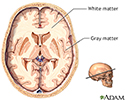
Gray and white matter of the brain - illustration
Gray and white matter of the brain
illustration
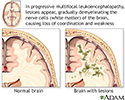
Leukoencephalopathy - illustration
Leukoencephalopathy
illustration
Review Date: 1/27/2026
Reviewed By: Joseph V. Campellone, MD, Department of Neurology, Cooper Medical School at Rowan University, Camden, NJ. Review provided by VeriMed Healthcare Network. Also reviewed by David C. Dugdale, MD, Medical Director, Brenda Conaway, Editorial Director, and the A.D.A.M. Editorial team.
© 1997- A.D.A.M., a business unit of Ebix, Inc. Any duplication or distribution of the information contained herein is strictly prohibited.
 All rights reserved.