

Toothaches
Pain - tooth or teeth
A toothache is pain in or around a tooth.
Considerations
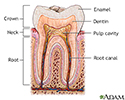
A toothache is often the result of dental cavities (tooth decay) or an infection or irritation of the tooth. Tooth decay is often caused by poor dental hygiene or dietary factors. The tendency to tooth decay may also be affected by genetic factors and this may be partly inherited. In some cases, toothache may be caused due to grinding teeth or other dental trauma.


Sometimes, pain that is felt in the tooth is actually due to pain in other parts of the body. This is called referred pain. For example, an earache may sometimes cause tooth pain.
Causes
A toothache may occur because of:
- Abscessed tooth
- Earache
- Injury to the jaw or mouth
- Heart attack (can include jaw pain, neck pain, or toothache)
- Sinus infection
- Tooth decay
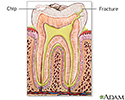
- Tooth trauma such as wear, injury, or fracture


Home Care
You can use over-the-counter pain medicine if you can't see your dentist or primary health care provider right away.

Your dentist will first diagnose the source of the pain and recommend treatment. You may be prescribed antibiotics, pain medicines, or other medicines.
Use good oral hygiene to prevent tooth decay. A low-sugar diet is recommended along with regular flossing, brushing with fluoride toothpaste, and regular professional cleaning. Sealants and fluoride applications by the dentist are important for preventing tooth decay. Also, tell your dentist if you think you might grind your teeth.
When to Contact a Medical Professional
Seek medical care if:
- You have a severe toothache
- You have a toothache that lasts longer than a day or two
- You have fever, earache, or pain when opening your mouth wide

Note: The dentist is an appropriate person to see for most causes of toothaches. However, if the problem is referred pain from another location, you may need to see your primary health care provider.
What to Expect at Your Office Visit
Your dentist will examine your mouth, teeth, gums, tongue, throat, ears, nose, and neck. You may need dental x-rays. Your dentist may recommend other tests, depending on the suspected cause.

Your dentist will ask questions about your medical history and symptoms, including:
- When did the pain start?
- Where is the pain located, and how bad is it?
- Does the pain wake you up at night?
- Are there things that make the pain worse or better?
- What medicines are you taking?
- Do you have any other symptoms, such as fever?
- Have you had any injuries?
- When was your last dental checkup?
Treatment will depend on the source of the pain. They may include removing and filling cavities, root canal therapy, or extraction of the tooth. If the toothache is related to trauma, such as grinding, your dentist may recommend a special appliance to protect the teeth from wear.


References
Carter M. Emergency dental procedures. In: Birnbaumer DM, ed. Roberts and Hedges' Clinical Procedures in Emergency Medicine and Acute Care. 8th ed. Philadelphia, PA: Elsevier; 2026:chap 65.
Page C, Pitchford S. Drug use in dentistry. In: Page C, Pitchford S, eds. Dale's Pharmacology Condensed. 3rd ed. Philadelphia, PA: Elsevier; 2021:chap 28.
Review Date: 2/5/2026
Reviewed By: Michael Kapner, DDS, General Dentistry, Norwalk Medical Center, Norwalk CT. Review provided by VeriMed Healthcare Network. Also reviewed by David C. Dugdale, MD, Medical Director, Brenda Conaway, Editorial Director, and the A.D.A.M. Editorial team.
© 1997- A.D.A.M., a business unit of Ebix, Inc. Any duplication or distribution of the information contained herein is strictly prohibited.
 All rights reserved.