

Fungal arthritis
Mycotic arthritis; Infectious arthritis - fungal
Fungal arthritis is swelling and irritation (inflammation) of a joint by a fungal infection. It is also called mycotic arthritis.

Causes
Fungal arthritis is a rare condition. It can be caused by any of the invasive types of fungi. The infection can result from an infection in another organ, such as the lungs which travels to a joint through the bloodstream. A joint can also become infected during a surgery or injury. People with weakened immune systems who travel or live in areas where specific fungi are common, are more susceptible to most causes of fungal arthritis.
Conditions that can cause fungal arthritis include:


Symptoms
The fungus can affect bone or joint tissue. One or more joints can be affected, most often the large, weight-bearing joints, such as the knees.
Symptoms may include any of the following:


Exams and Tests
Your health care provider will examine you.
Tests that may be ordered include:
- Removal of joint fluid to look for fungus under a microscope
- Culture of joint fluid to look for fungus
- Joint x-ray that may show joint changes
- Positive antibody test (serology) for fungal disease
- Synovial biopsy showing fungus


Treatment
The goal of treatment is to cure the infection using antifungal medicines. Commonly used antifungal medicines are amphotericin B or medicines in the azole family (fluconazole, ketoconazole, or itraconazole).
Chronic or advanced bone or joint infection may require surgery (debridement) to remove the infected tissue.
Outlook (Prognosis)
How well you do depends on the underlying cause of the infection and your overall health. A weakened immune system, cancer, and certain medicines can affect the outcome.
Possible Complications
Joint damage may occur and the risk of damage is higher if the infection is not treated right away.
When to Contact a Medical Professional
Contact your provider if you have any symptoms of fungal arthritis.
Prevention
Thorough treatment of fungal infections elsewhere in the body may help prevent fungal arthritis.
References
Denmeade TA, Ohl CA. Infectious arthritis of native joints. In: Blaser MJ, Cohen JI, Holland SM, et al, eds. Mandell, Douglas, and Bennett's Principles and Practice of Infectious Diseases. 10th ed. Philadelphia, PA: Elsevier; 2026:chap 105.
Ruderman EM, Flaherty JP. Fungal infections of bones and joints. In: Firestein GS, McInnes IB, Koretzky GA, Mikuls TR, Neogi T, O'Dell JR, eds. Firestein and Kelley's Textbook of Rheumatology. 12th ed. Philadelphia, PA: Elsevier; 2025:chap 115.
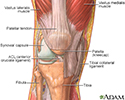
The structure of a joint - illustration
The structure of a joint
illustration
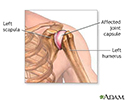
Shoulder joint inflammation - illustration
Shoulder joint inflammation
illustration
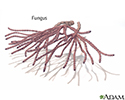
Fungus - illustration
Fungus
illustration
Review Date: 12/13/2025
Reviewed By: Jatin M. Vyas, MD, PhD, Roy and Diana Vagelos Professor in Medicine, Columbia University Vagelos College of Physicians and Surgeons, Division of Infectious Diseases, Department of Medicine, New York, NY. Also reviewed by David C. Dugdale, MD, Medical Director, Brenda Conaway, Editorial Director, and the A.D.A.M. Editorial team.
© 1997- A.D.A.M., a business unit of Ebix, Inc. Any duplication or distribution of the information contained herein is strictly prohibited.
 All rights reserved.