

Chylomicronemia syndrome
Familial lipoprotein lipase deficiency; Familial hyperchylomicronemia syndrome; Type I hyperlipidemia
Chylomicronemia syndrome is a disorder in which the body does not break down fats (lipids) correctly. This causes fat particles called chylomicrons to build up in the blood. The disorder is passed down through families.
Causes
Chylomicronemia syndrome can occur due to a rare genetic disorder in which a protein (enzyme) called lipoprotein lipase (LpL) is broken or missing. It can also be caused by the absence of second factor called apolipoprotein C-II (also called apoCII), which activates LpL. LpL is normally found in fat and muscle. It helps break down certain lipids. When LpL is missing or broken, fat particles called chylomicrons build up in the blood. This buildup is called chylomicronemia.
Defects in apolipoprotein CII and apolipoprotein AV can cause the syndrome as well. It is more likely to occur when people who are predisposed to have high triglycerides (such as those who have familial combined hyperlipidemia or familial hypertriglyceridemia) develop diabetes, obesity or are exposed to certain medicines.


Symptoms
Symptoms may start in infancy and include:
- Abdominal pain due to pancreatitis (inflammation of the pancreas).
- Symptoms of nerve damage, such as loss of feeling in the feet or legs, and memory loss.
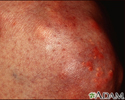
- Yellow deposits of fatty material in the skin called xanthomas. These growths may appear on the back, buttocks, soles of the feet, or ankles, knees and elbows.

Exams and Tests
A physical exam and tests may show:
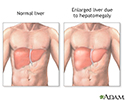
- Enlarged liver and spleen
- Inflammation of the pancreas
- Fatty deposits under the skin
- Possibly fatty deposits in the retina of the eye


A creamy layer will appear when blood spins in a laboratory machine. This layer is due to chylomicrons in the blood.
The triglyceride level is extremely high.

Treatment
A low fat, alcohol-free diet is required. You may need to stop taking certain medicines that can make symptoms worse. Do not stop taking any medicine without first talking to your health care provider. Conditions such as dehydration and diabetes can make symptoms worse. If diagnosed, these conditions need to be treated and controlled.
Outlook (Prognosis)
A low fat diet can reduce symptoms dramatically.
Possible Complications
When untreated, the excess chylomicrons may lead to bouts of pancreatitis. This condition can be very painful and even life threatening.
When to Contact a Medical Professional
Seek medical care right away if you have abdominal pain or other warning signs of pancreatitis.
Contact your provider if you have a personal or family history of high triglyceride levels.
Prevention
There is no way to prevent someone from inheriting this syndrome. However, measures to prevent or treat predisposing conditions such as diabetes or obesity may help prevent its development.
References
Bredefeld CL, Lau R, Hussain MM. Lipids and dyslipoproteinemia. In: McPherson RA, Pincus MR, eds. Henry's Clinical Diagnosis and Management by Laboratory Methods. 24th ed. St Louis, MO: Elsevier; 2022:chap 18.
Mora S, Martin SS. Measurement of low-density lipoprotein cholesterol, non-high-density lipoprotein cholesterol, apolipoprotein B, and low-density lipoprotein particle concentration. In: Ballantyne CM, ed. Clinical Lipidology: A Companion to Braunwald's Heart Disease. 3rd ed. Philadelphia, PA: Elsevier; 2024:chap 3.
Robinson JG. Disorders of lipid metabolism. In: Goldman L, Cooney KA, eds. Goldman-Cecil Medicine. 27th ed. Philadelphia, PA: Elsevier; 2024:chap 190.
Tokgözoglu L, Libby P. Lipoprotein disorders and cardiovascular disease. In: Bonow RO, Mann DL, Tomaselli GF, et al, eds. Braunwald's Heart Disease: A Textbook of Cardiovascular Medicine. 13th ed. Philadelphia, PA: Elsevier; 2026:chap 25.
Writing Committee Members; Blumenthal RS, Morris PB, et al. 2026 ACC/AHA/AACVPR/ABC/ACPM/ADA/AGS/APhA/ASPC/NLA/PCNA Guideline on the management of dyslipidemia: a report of the American College of Cardiology/American Heart Association Joint Committee on Clinical Practice Guidelines. Circulation. 2026;153(17):e1154-e1276. PMID: 41824552 pubmed.ncbi.nlm.nih.gov/41824552/.
Review Date: 4/28/2026
Reviewed By: Michael A. Chen, MD, PhD, Associate Professor of Medicine, Division of Cardiology, Harborview Medical Center, University of Washington Medical School, Seattle, WA. Also reviewed by David C. Dugdale, MD, Medical Director, Brenda Conaway, Editorial Director, and the A.D.A.M. Editorial team.
© 1997- A.D.A.M., a business unit of Ebix, Inc. Any duplication or distribution of the information contained herein is strictly prohibited.
 All rights reserved.