

Giardia infection
Giardia; G. duodenalis; G. intestinalis; Traveler's diarrhea - giardiasis
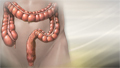
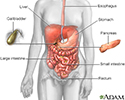
Giardia, or giardiasis, is a parasitic infection of the small intestine. A tiny parasite called Giardia lamblia causes it.
Causes
The giardia parasite lives in soil, food, and water. It may also be found on surfaces that have come into contact with animal or human waste.
You may become infected if you:
- Are exposed to a family member with giardiasis
- Drink water from lakes or streams where animals such as marmots, beavers and muskrats, or domestic animals such as sheep, have left their waste
- Eat raw or undercooked food that has been contaminated with the parasite
- Have direct person-to-person contact in daycare centers, long-term care homes, or nursing homes with people who are infected with the parasite
- Have unprotected anal sex
Travelers are at risk of giardiasis throughout the world. Campers and hikers are at risk if they drink untreated water from streams and lakes.
Symptoms
The time between becoming infected and symptoms is 7 to 14 days.
Non-bloody diarrhea is the main symptom. Other symptoms include:
- Abdominal gas or bloating
- Headache
- Loss of appetite
- Low-grade fever
- Nausea
- Weight loss and loss of body fluids




Some people who have had a giardia infection for a long time continue having symptoms, even after the infection is gone.
Exams and Tests
Tests that may be done include:
- Stool antigen test to check for giardia
- Stool polymerase chain reaction (PCR) test that can detect multiple pathogens, including giardia
- Stool ova and parasites exam
- String test (rarely performed)


Treatment
If there are no symptoms or only mild symptoms, no treatment may be needed. Some infections go away on their own within a few weeks.
Medicines may be used for:
- Severe symptoms or symptoms that do not go away
- People who work in a daycare center or nursing home, to reduce the spread of disease
Antibiotic treatment is successful for most people. These include tinidazole, nitazoxanide or metronidazole. A change in the type of antibiotic will be tried if symptoms do not go away. Side effects from some of the medicines used to treat giardia are:
- Metallic taste in the mouth
- Nausea
- Severe reaction to alcohol
In most pregnant women, treatment should not start until after delivery. Some medicines used to treat the infection can be harmful to the unborn baby.
People who take diuretics (water pills) may need to stop taking these medicines if they have giardiasis. Never stop taking any medicine without first talking to your health care provider.
Possible Complications
These complications can occur:
- Dehydration (loss of water and other fluids in the body)
- Malabsorption (inadequate absorption of nutrients from the intestinal tract)
- Weight loss

When to Contact a Medical Professional
Contact your provider if:
- Diarrhea or other symptoms last for more than 14 days
- You have blood in your stool (unusual)
- You are dehydrated

Prevention
Purify all water from streams, ponds, rivers, and lakes, or well water before drinking it. Use methods such as boiling, filtration, or iodine treatment.
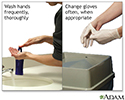
Workers in daycare centers or institutions should use good handwashing and hygiene techniques when moving from child to child or person to person.

Safer sexual practices may decrease the risk for getting or spreading giardiasis. People practicing anal sex should be especially careful.

Peel or wash fresh fruits and vegetables before eating them.
References
Bartelt LA. Giardia lamblia. In: Blaser MJ, Cohen JI, Holland SM, et al, eds. Mandell, Douglas, and Bennett's Principles and Practice of Infectious Diseases. 10th ed. Philadelphia, PA: Elsevier; 2026:chap 285.
Fleckenstein JM. Approach to the patient with suspected enteric infection. In: Goldman L, Cooney KA, eds. Goldman-Cecil Medicine. 27th ed. Philadelphia, PA: Elsevier; 2024:chap 262.
Hill DR. Giardiasis. In: Goldman L, Cooney KA, eds. Goldman-Cecil Medicine. 27th ed. Philadelphia, PA: Elsevier; 2024:chap 322.
Digestive system - illustration
Digestive system
illustration
Giardiasis - illustration
Giardiasis
illustration
Institutional hygiene - illustration
Institutional hygiene
illustration
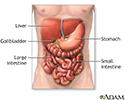
Digestive system organs - illustration
Digestive system organs
illustration

Review Date: 3/1/2026
Reviewed By: Jatin M. Vyas, MD, PhD, Roy and Diana Vagelos Professor in Medicine, Columbia University Vagelos College of Physicians and Surgeons, Division of Infectious Diseases, Department of Medicine, New York, NY. Also reviewed by David C. Dugdale, MD, Medical Director, Brenda Conaway, Editorial Director, and the A.D.A.M. Editorial team.
© 1997- A.D.A.M., a business unit of Ebix, Inc. Any duplication or distribution of the information contained herein is strictly prohibited.
 All rights reserved.