

Alcoholic liver disease
Liver disease due to alcohol; Cirrhosis or hepatitis - alcoholic; Laennec's cirrhosis
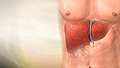
Alcoholic liver disease is damage to the liver and its function due to alcohol abuse.
Causes
Alcoholic liver disease most often occurs after years of heavy drinking. Over time, scarring and cirrhosis can occur. Cirrhosis is the final phase of alcoholic liver disease.

Alcoholic liver disease does not occur in all heavy drinkers. The chances of getting liver disease go up the longer you have been drinking and the more alcohol you consume. You do not have to get drunk for the disease to happen.
The disease is most common in people between 40 and 50 years of age. Men are more likely to have this problem. However, women may develop the disease after less exposure to alcohol than men. Some people may have an inherited risk for the disease.
Symptoms
There may be no symptoms, or symptoms may only come on slowly. This depends on how well the liver is working. Symptoms tend to be worse after a period of heavy drinking.
Early symptoms include:
- Loss of energy
- Poor appetite and weight loss
- Nausea
- Belly pain
- Small, red spider-like blood vessels on the skin

As liver function worsens, symptoms may include:
- Fluid buildup of the legs (edema) and in the abdomen (ascites)
- Yellow color in the skin, mucous membranes, or eyes (jaundice)
- Redness on the palms of the hands
- In men, impotence, shrinking of the testicles, and breast swelling
- Easy bruising and abnormal bleeding
- Confusion or problems thinking
- Pale or clay-colored stools
- Bleeding in the gastrointestinal tract


Exams and Tests
Your health care provider will do a physical exam to look for:
- An enlarged liver or spleen
- Excess breast tissue in men
- Swollen abdomen, as a result of too much fluid
- Reddened palms
- Red spider-like blood vessels on the skin
- Small testicles
- Widened veins in the wall of the abdomen
- Yellow eyes or skin (jaundice)
Tests you may have include:
- Complete blood count (CBC)
- Liver function tests
- Coagulation studies
- Liver biopsy
- Measurement of levels of protein in the blood, specifically albumin and globulin
- Upper endoscopy to check for swollen blood vessels in the esophagus (esophageal varices)


Tests to check for other diseases include:
- Abdominal CT scan
- Abdominal MRI or MRCP
- Blood tests for other causes of liver disease
- Abdominal ultrasound
- Ultrasound elastography


Treatment
LIFESTYLE CHANGES
Some things you can do to help take care of your liver disease are:
- Stop drinking alcohol.
- Eat a healthy diet that is low in salt.
- Get vaccinated for diseases such as influenza, hepatitis A and hepatitis B, pneumococcal pneumonia, and COVID-19.
- Talk to your provider about all medicines you take, including herbs and supplements and over-the-counter medicines.
MEDICINES FROM YOUR PROVIDER
- "Water pills" (diuretics) to get rid of fluid buildup
- Vitamin K or blood products to prevent excess bleeding
- Medicines for mental confusion
- Antibiotics for infections
OTHER TREATMENTS
- Endoscopic treatments for enlarged veins in the esophagus (esophageal varices)
- Removal of fluid from the abdomen (paracentesis)
- Placement of a transjugular intrahepatic portosystemic shunt (TIPS) to repair blood flow in the liver


When cirrhosis progresses to end-stage liver disease, a liver transplant may be needed. Liver transplantation for alcoholic liver disease is only considered in people who have completely avoided alcohol for 6 months.

Support Groups
More information and support for people with alcoholic liver disease and their families can be found by joining support groups for alcoholism (alcohol use disorder) or liver disease.

Outlook (Prognosis)
Alcoholic liver disease is treatable if it is caught before it causes severe damage. However, continued excessive drinking can shorten your lifespan.
Cirrhosis further worsens the condition and can lead to serious complications. In case of severe damage, the liver cannot heal or return to normal function.
Possible Complications
Complications may include:
- Bleeding disorders (coagulopathy)
- Buildup of fluid in the abdomen (ascites) and infection of the fluid (spontaneous bacterial peritonitis or SBP)
- Enlarged veins in the esophagus, stomach, or intestines that bleed easily (esophageal, gastric, or intestinal varices)
- Increased pressure in the blood vessels of the liver (portal hypertension)
- Kidney failure (hepatorenal syndrome)
- Liver cancer (hepatocellular carcinoma)
- Mental confusion, change in the level of consciousness, or coma (hepatic encephalopathy)
When to Contact a Medical Professional
Contact your provider if you:
- Develop symptoms of alcoholic liver disease
- Develop symptoms after a long period of heavy drinking
- Are worried that drinking may be harming your health
Get emergency medical help right away if you have:
- Abdominal or chest pain
- Abdominal swelling or ascites that is new or suddenly becomes worse
- A fever (temperature greater than 101°F, or 38.3°C)
- Diarrhea
- New confusion or a change in alertness, or it gets worse
- Rectal bleeding, vomiting blood, or blood in the urine
- Shortness of breath
- Vomiting more than once a day
- Yellowing skin or eyes (jaundice) that is new or gets worse quickly


Prevention
Talk openly to your provider about your alcohol intake. Your provider can counsel you about how much alcohol is safe for you. If you have alcoholic liver disease, you should not drink any alcohol.
References
Chalasani NP, Maher J. Alcoholic and nonalcoholic steatohepatitis. In: Goldman L, Cooney KA, eds. Goldman-Cecil Medicine. 27th ed. Philadelphia, PA: Elsevier; 2024:chap 138.
Haines EJ, Thompson H. Liver and biliary tract disorders. In: Walls RM, ed. Rosen's Emergency Medicine: Concepts and Clinical Practice. 10th ed. Philadelphia, PA: Elsevier; 2023:chap 76.
Szabo G, McClain CJ. Alcohol-associated liver disease. In: Feldman M, Friedman LS, Brandt LJ, eds. Sleisenger and Fordtran's Gastrointestinal and Liver Disease. 11th ed. Philadelphia, PA: Elsevier; 2021:chap 86.
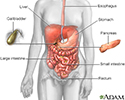
Digestive system - illustration
Digestive system
illustration
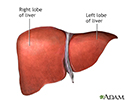
Liver anatomy - illustration
Liver anatomy
illustration
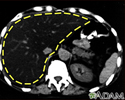
Fatty liver - CT scan - illustration
Fatty liver - CT scan
illustration
Review Date: 7/22/2025
Reviewed By: Todd Eisner, MD, Private practice specializing in Gastroenterology in Boca Raton and Delray Beach, Florida at Gastroenterology Consultants of Boca Raton. Affiliate Assistant Professor, Florida Atlantic University School of Medicine. Review provided by VeriMed Healthcare Network. Also reviewed by David C. Dugdale, MD, Medical Director, Brenda Conaway, Editorial Director, and the A.D.A.M. Editorial team.
© 1997- A.D.A.M., a business unit of Ebix, Inc. Any duplication or distribution of the information contained herein is strictly prohibited.
 All rights reserved.